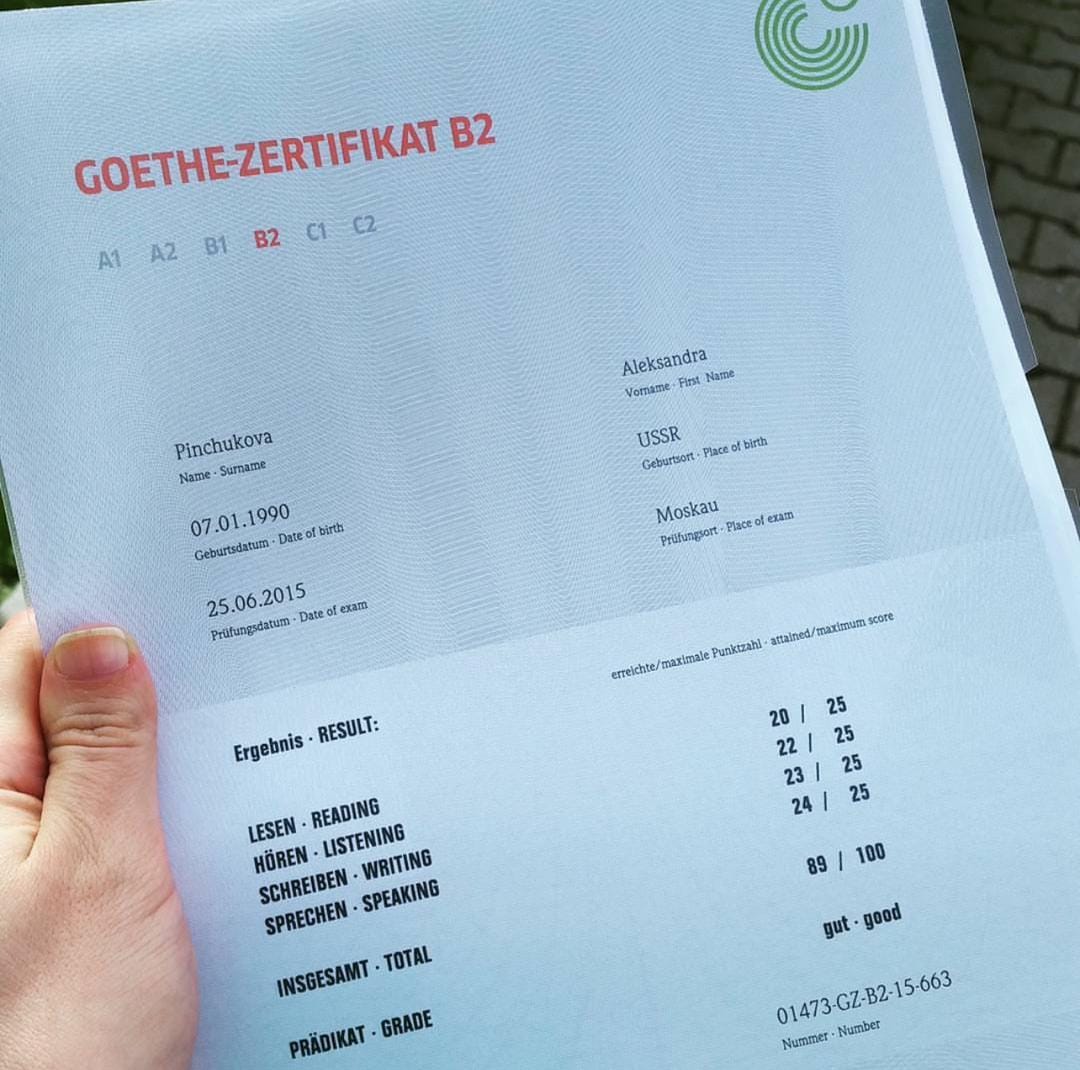
Understanding the B1 Certificate: A Comprehensive Guide to Purchase and Implications
In a progressively globalized world, the capability to communicate in more than one language is important. For non-native English speakers, obtaining a B1 Certificate in English as a Foreign Language can open doors to educational opportunities, improve job prospects, and facilitate social combination in English-speaking environments. This post aims to provide a comprehensive overview of the B1 Certificate, including its significance, how to obtain it, and the procedure of acquiring a B1 Certificate.
What is a B1 Certificate?
The B1 Certificate is part of the Common European Framework of Reference for Languages (CEFR), which categorizes language proficiency levels from A1 (novice) to C2 (competent). A B1 level shows that an individual has an intermediate level of English efficiency. It signifies that the individual can:
- Understand the primary points of clear standard speech on familiar matters.
- Deal with the majority of situations that may develop while traveling in a location where English is spoken.
- Produce simple linked text on topics that recognize or of individual interest.
- Explain experiences, occasions, dreams, hopes, and goals, in addition to provide quick reasons and descriptions for viewpoints and strategies.
Lots of academic institutions and employers require a B1 level certificate to demonstrate an individual's proficiency in the English language.
The Importance of a B1 Certificate
The B1 Certificate carries several benefits for people pursuing chances in English-speaking environments:
- Educational Opportunities: Many universities and colleges require proof of English efficiency for admission to their programs.
- Employment Prospects: Companies often look for prospects who can communicate effectively in English, particularly in global service environments.
- Migration and Residency: Countries may need evidence of language proficiency for visa applications and residency authorizations, making a B1 Certificate particularly useful.
- Personal Development: Achieving a B1 level facilitates much better social interactions, increases self-confidence in English-speaking settings, and fosters a much deeper understanding of English-speaking cultures.
How to Obtain a B1 Certificate
Getting a B1 Certificate normally involves the following actions:
- Assessment of Current Proficiency: Candidates need to evaluate their current level of English through offered online tests or language assessment centers.
- Register in Language Courses: Many organizations offer English language courses particularly designed to help trainees accomplish B1 efficiency. Candidates can select from various formats, consisting of in-person classes, online courses, or self-study programs.
- Practice Speaking and Writing: Regular practice in speaking and composing English will assist candidates get ready for the B1 evaluation. Engaging with English media (books, films, podcasts) can likewise boost comprehension and vocabulary.
Take a Language Proficiency Test: After thorough preparation, prospects must take a standardized test that assesses their English abilities. Popular tests that provide a B1 Certificate consist of:
- Cambridge English: Preliminary (PET)
- IELTS (International English Language Testing System) with a B1 level score
- TOEFL (Test of English as a Foreign Language) with specific scoring requirements
- Get the Certificate: Upon passing the test, candidates will acquire their B1 Certificate. The certificate is typically legitimate for an indefinite duration but it's constantly suggested to validate specific requirements relevant to educational institutions or companies.
Is It Possible to Buy a B1 Certificate?
The question of acquiring a B1 Certificate emerges for different factors. While there are avenues that permit individuals to obtain language accreditations without undergoing the actual examination, these practices are not just dishonest however might bring legal effects.
Why Buying a B1 Certificate is Not Recommended:
- Legal Consequences: Falsifying academic qualifications can cause serious legal charges, including losing task deals, facing deportation, or getting restrictions from universities.
- Lack of Skills: A certificate acquired without genuine efficiency will not gear up a private with the necessary language abilities required for personal, academic, or professional success.
- Credibility and Integrity: Engaging in fraudulent practices can harm a person's reputation and future prospects substantially.
Rather of seeking shortcuts, people are encouraged to invest time and effort into truly accomplishing the B1 level of proficiency.
Tips for Preparing for the B1 Exam
For those devoted to getting their B1 Certificate through real means, preparation is crucial. Here are some tips:
- Set Clear Goals: Establish a study schedule and specific language objectives for each week.
- Engage with Native Speakers: Joining conversation clubs or language exchange programs can substantially enhance speaking abilities.
- Make Use Of Language Apps: Incorporate language-learning applications (such as Duolingo, Babbel, or Memrise) into everyday practice.
- Mock Tests: Practice with previous exam papers or take mock tests to familiarize oneself with the exam format and timing.
- Feedback and Improvement: Seek feedback from teachers or fluent speakers to recognize locations of enhancement.
Regularly Asked Questions (FAQs)
1. What is the cost of obtaining a B1 Certificate?
The expense differs based on the screening body and area however generally varies from ₤ 100 to ₤ 300 for examination fees. Additional expenses may emerge from preparatory courses.
2. How long is a B1 Certificate legitimate?
While there is no official expiration date for language certificates, some organizations or companies may ask for recent proof of efficiency, so it's a good idea to retake tests periodically.
3. Can I get ready for the B1 exam without a tutor?
Yes, self-study utilizing online resources, media, and practice exercises is a feasible choice. Nevertheless, a tutor can offer structured knowing and individualized feedback.
4. What if I do not pass the B1 exam on my first attempt?
Numerous prospects do not hand down their very first effort. Utilize the feedback from the exam to focus on weaker areas, then retake the assessment when prepared.
5. Exist online alternatives available for taking B1-level tests?
Yes, numerous companies now provide online testing alternatives for B1-level exams, offering versatility and ease of access for candidates.
The B1 Certificate holds considerable worth for individuals seeking to improve their linguistic capabilities for education, work, and social integration. While the temptation to buy a certificate may exist, the effects and ramifications far exceed the advantages. Deutsch A1 Zertifikat Kaufen invested in finding out English will not just lead to a B1 Certificate but will also offer the necessary skills to grow in English-speaking environments.